
Leading Water Seepage Repair Options for Durable and Effective Results
Compare high-performance products designed to combat water intrusion and safeguard your building structure.
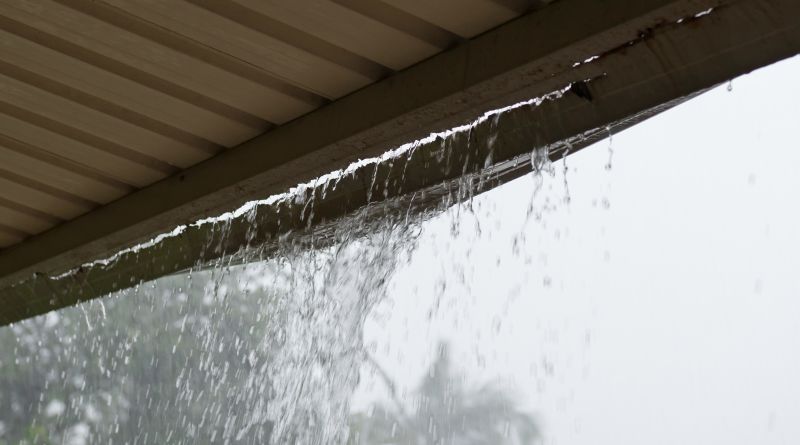 Water seepage problems can cause significant damage if not addressed promptly and effectively. Repair products designed for water seepage are formulated to block, seal, and prevent unwanted water intrusion in various structures. These products are typically used in residential, commercial, and industrial settings to mitigate issues such as basement leaks, foundation cracks, and wall dampness. Selecting the right product depends on the specific nature of the seepage, the surface material, and the environmental conditions.
Top Overall Option
Heavy-Duty Waterproof Sealant
A versatile, high-performance sealant designed for a wide range of surfaces and conditions, providing a flexible and long-lasting barrier against water infiltration. It is suitable for sealing cracks, joints, and surface imperfections on concrete, masonry, and other materials. Easy to apply with a caulking gun or trowel, this product offers reliable adhesion and resistance to weathering, making it a popular choice for comprehensive water seepage repairs.
Types of Products For Water Seepage Repairs
Hydraulic Cement
A fast-setting cement that expands as it cures, ideal for sealing active leaks and cracks in concrete and masonry surfaces.
Polyurethane Foam Sealant
Expanding foam that fills gaps and cracks, providing a flexible seal suitable for irregular surfaces.
Bituminous Coatings
Heavy-duty coatings that create a waterproof barrier on foundations, basements, and roofs.
Epoxy Injection Kits
Used to repair cracks in concrete and masonry, providing structural reinforcement and sealing capabilities.
Liquid Rubber Waterproofing
Flexible, seamless coatings that form durable waterproof membranes on various surfaces.
Sealant Caulks
Silicone or acrylic-based caulks designed for sealing around windows, doors, and other penetrations.
Waterproof Paints
Coatings that can be applied to walls and ceilings to prevent water penetration and dampness.
Patching Compounds
Ready-mixed or dry-mix compounds for repairing surface imperfections and creating smooth, sealed surfaces.
Membrane Sheets
Pre-formed waterproof membranes used in foundation and basement waterproofing applications.
Waterproofing Tapes
Self-adhesive tapes that provide quick, flexible sealing for cracks and joints.
Crack Injection Resins
Specialized resins injected into cracks to seal leaks and restore structural integrity.
Foundation Waterproofing Membranes
Heavy-duty membranes designed to prevent water ingress into foundations and basements.
Drainage Matting
Materials installed behind walls or under floors to promote water drainage and reduce seepage.
Waterproofing Cementitious Coatings
Cement-based coatings that form a waterproof layer on concrete and masonry surfaces.
Sealant Sprays
Spray-applied sealants that create a waterproof barrier over large surface areas quickly.
Popular Choices
Widely used for quick sealing of active leaks and cracks in concrete structures, appreciated for its fast-setting properties.
Popular for filling irregular gaps and providing a flexible, expanding seal in various applications.
Commonly selected for foundation and basement waterproofing due to their durability and strong adhesion.
Favored for crack repairs that require structural reinforcement and water sealing.
Chosen for seamless, flexible waterproofing membranes on roofs, decks, and foundations.
Popular for sealing around windows, doors, and other penetrations due to their weather resistance.
Often used for interior and exterior walls to prevent dampness and water intrusion.
Convenient for quick repairs on cracks and joints, offering a flexible seal.
Effective for sealing and restoring cracks in concrete and masonry structures.
Frequently selected for basement and foundation waterproofing projects.
Versatile for sealing gaps around fixtures, windows, and door frames.
Popular for protecting roofing surfaces from water penetration and weathering.
Used in foundation walls to facilitate water drainage and reduce seepage.
Common in underground and below-grade applications for creating a waterproof barrier.
Many water seepage repair solutions are designed to be easy to apply, often involving simple surface preparation and straightforward application methods. These products can include sealants, waterproof coatings, epoxies, and patching compounds, each suited for different types of leaks and materials. For example, some products are formulated for concrete surfaces, while others work better on masonry or wood. Proper application ensures a durable barrier that can help prevent further water intrusion and structural deterioration.
When considering water seepage repair products, it is important to evaluate their compatibility with existing surfaces, their curing time, and their resistance to environmental factors such as moisture, temperature fluctuations, and UV exposure. Additionally, some products may require specific tools or preparation steps, such as cleaning, drying, or priming surfaces before application. Using the appropriate product and following manufacturer instructions can significantly enhance the effectiveness and longevity of the repair.
Overall, choosing the right water seepage repair product involves understanding the source and extent of the problem, the materials involved, and the environmental conditions. Consulting with professionals or conducting thorough research can help identify the most suitable solutions to address water seepage issues efficiently. Proper maintenance and timely repairs can help protect structures from water-related damage and preserve their integrity over time.
Key Buying Considerations
- Identify the source and extent of water seepage to select an appropriate product.
- Determine the surface material to ensure compatibility with the repair product.
- Consider whether the product is suitable for active leaks or just for sealing cracks and minor dampness.
- Evaluate the environmental conditions, such as exposure to sunlight, temperature fluctuations, and moisture levels.
- Check the curing time and ease of application to fit your project timeline and skill level.
- Assess the flexibility and adhesion properties to ensure the product can accommodate structural movements.
- Review the durability and resistance to weathering for long-term effectiveness.
- Decide if a surface prep or priming step is necessary before application.
- Consider whether the product is suitable for interior, exterior, or below-grade use.
- Look into the safety and VOC content if working in enclosed spaces.
- Determine if the product offers waterproofing, sealing, or structural reinforcement capabilities.
- Evaluate the need for specialized tools or equipment for application.
- Check for compatibility with existing waterproofing or repair systems.
- Review user instructions and warranty information for confidence in the product.
- Ensure the product complies with relevant building codes and standards.