Water Seepage Repair Solutions
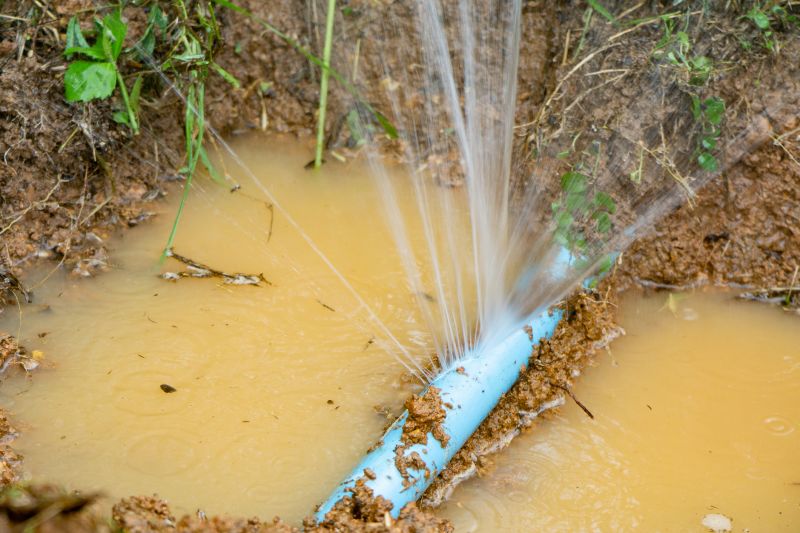
Spring offers moderate temperatures and lower humidity, making it ideal for effective repairs and curing processes.
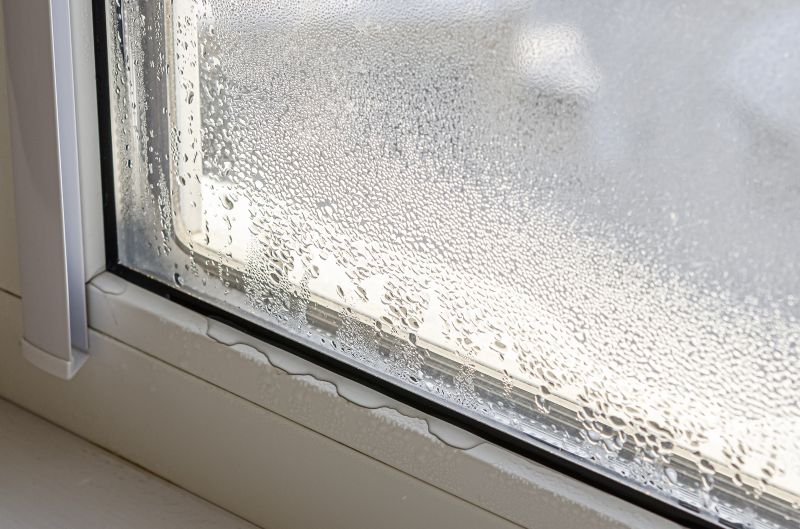
Summer's warm weather can accelerate drying times but may pose challenges due to increased moisture and humidity.
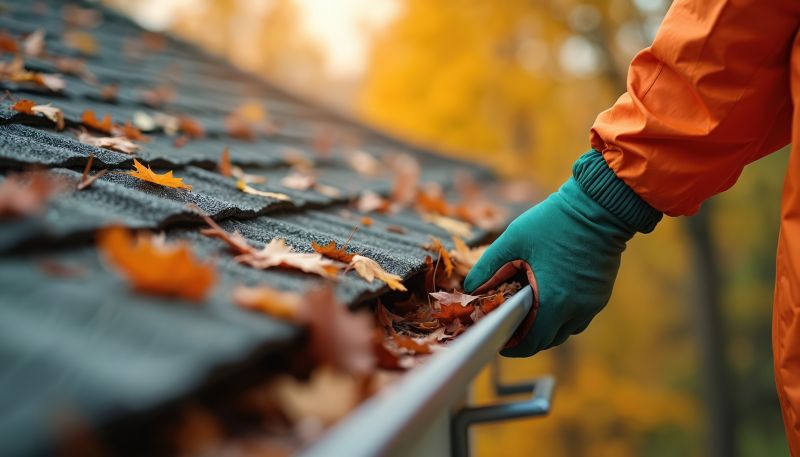
Autumn provides cooler temperatures and less rainfall, reducing the risk of new seepage during repairs.
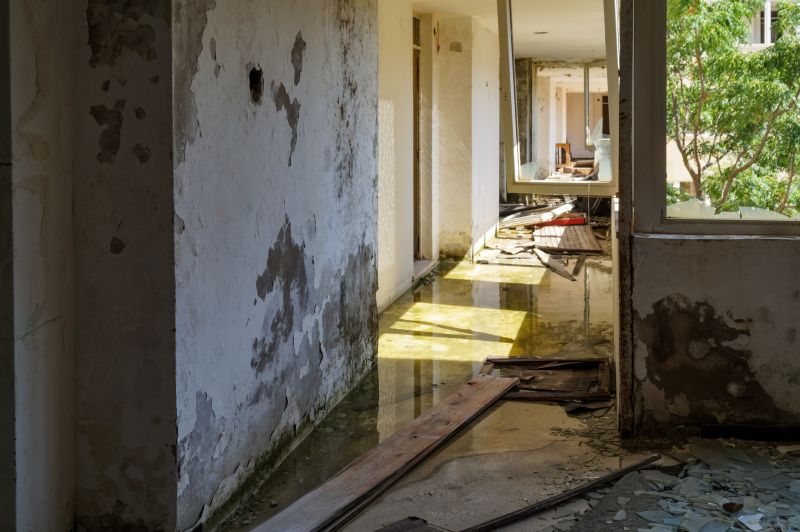
Ways to make Water Seepage Repairs work in tight or awkward layouts.
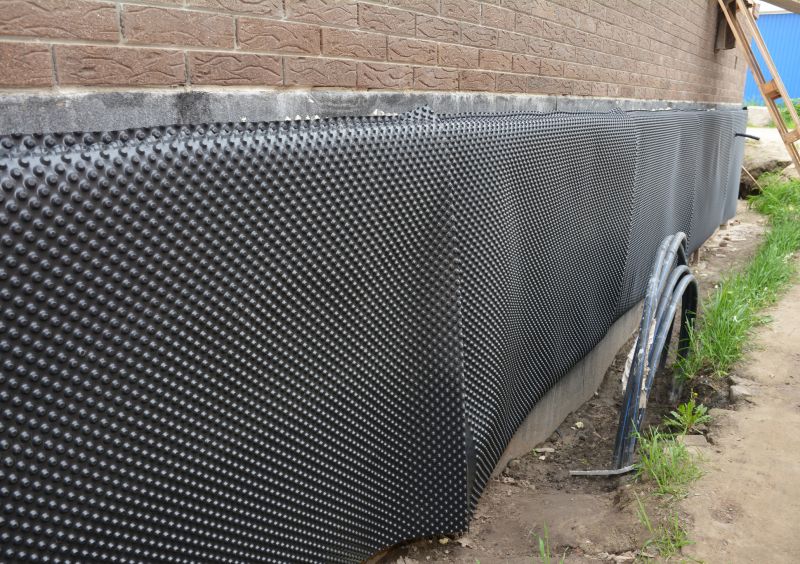
Popular materials for Water Seepage Repairs and why they hold up over time.
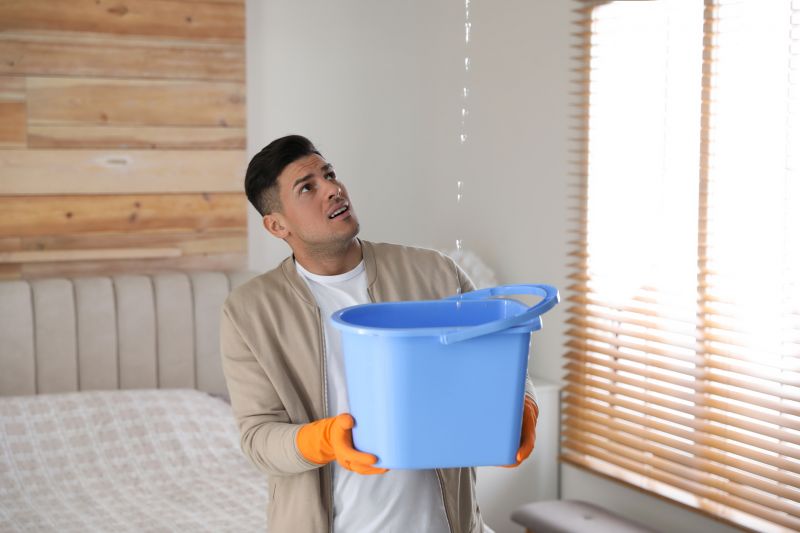
Simple add-ons that improve Water Seepage Repairs without blowing the budget.
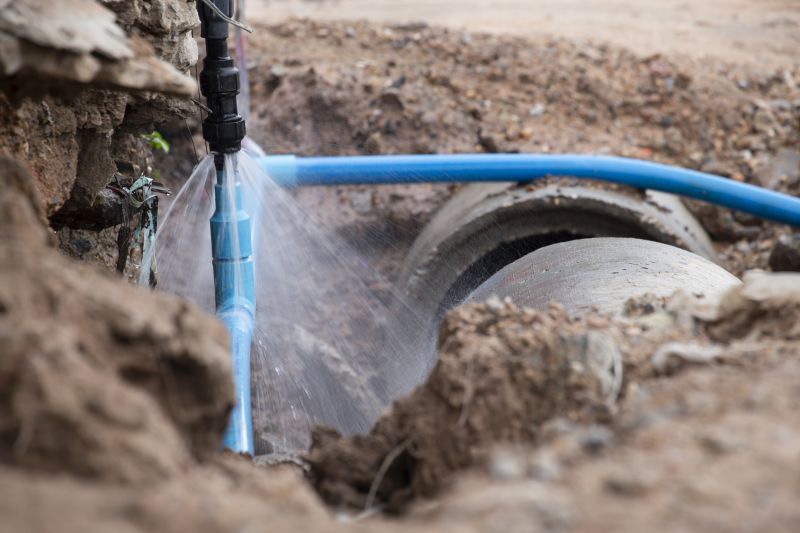
High-end options that actually feel worth it for Water Seepage Repairs.
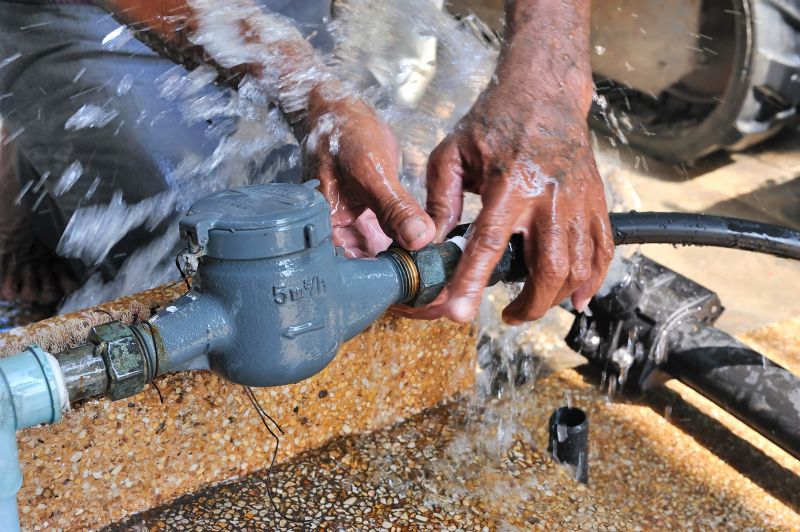
Finishes and colors that play nicely with Water Seepage Repairs.
Water seepage repairs involve addressing moisture intrusion that can cause structural damage, mold growth, and deterioration of building materials. Timely repairs prevent extensive damage and reduce long-term costs. The best time to undertake these repairs depends on climate conditions, with moderate temperatures and low humidity being most favorable for effective sealing and drying.
Statistics indicate that performing water seepage repairs during periods of low rainfall and stable temperatures results in higher success rates. In regions with distinct seasons, late spring and early autumn are generally considered optimal for these activities. Proper timing ensures that repair materials cure correctly and that moisture levels are minimized, preventing recurrent seepage problems.
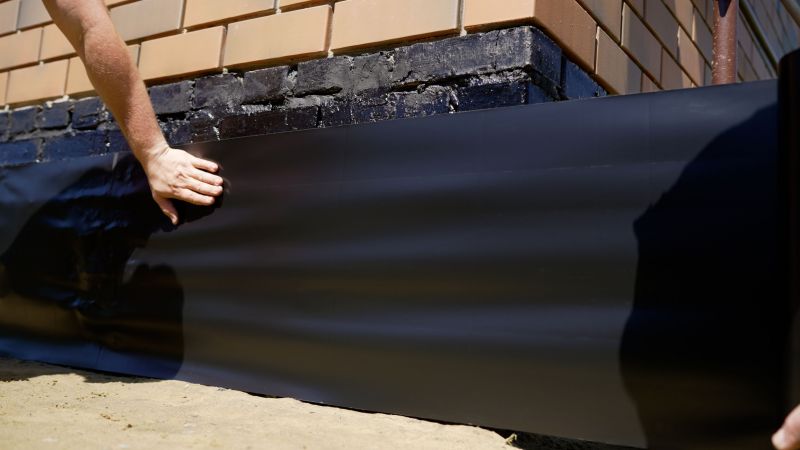
The process includes inspection, surface preparation, sealing, and waterproofing to prevent future moisture intrusion.
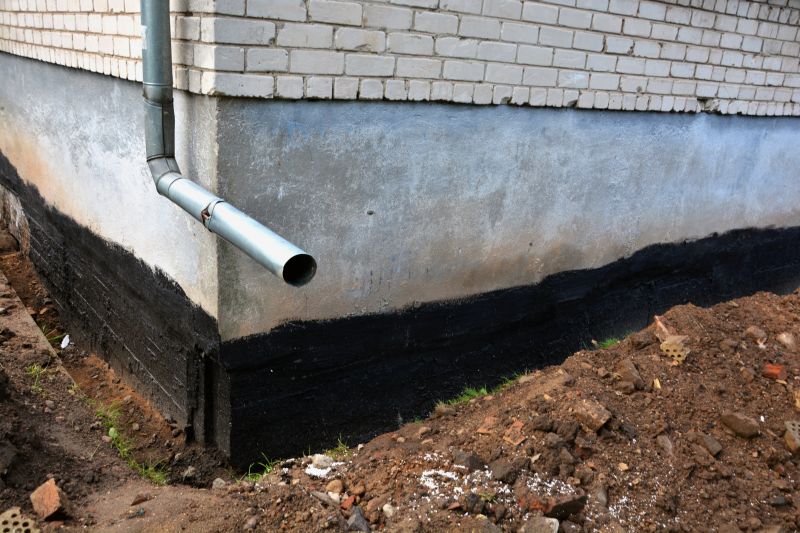
Cracked foundations, poor drainage, and faulty roofing are typical sources of seepage issues.
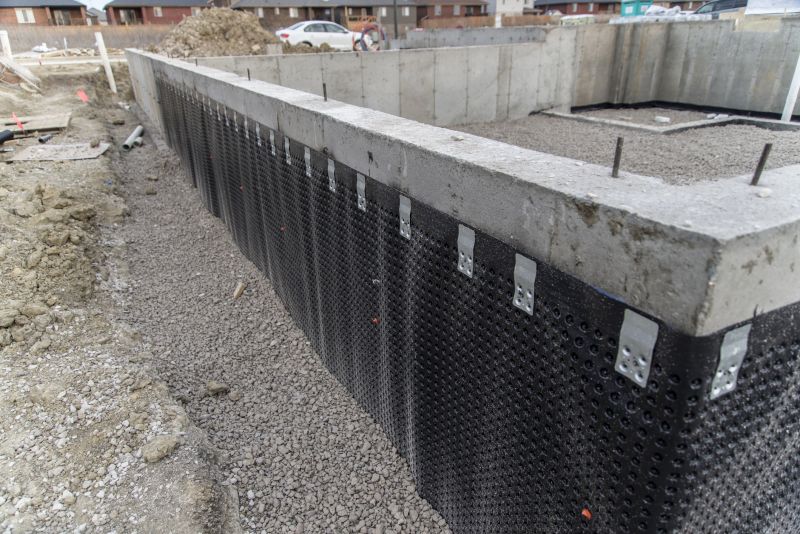
Waterproof coatings, sealants, and membrane systems are commonly employed to ensure durable repairs.
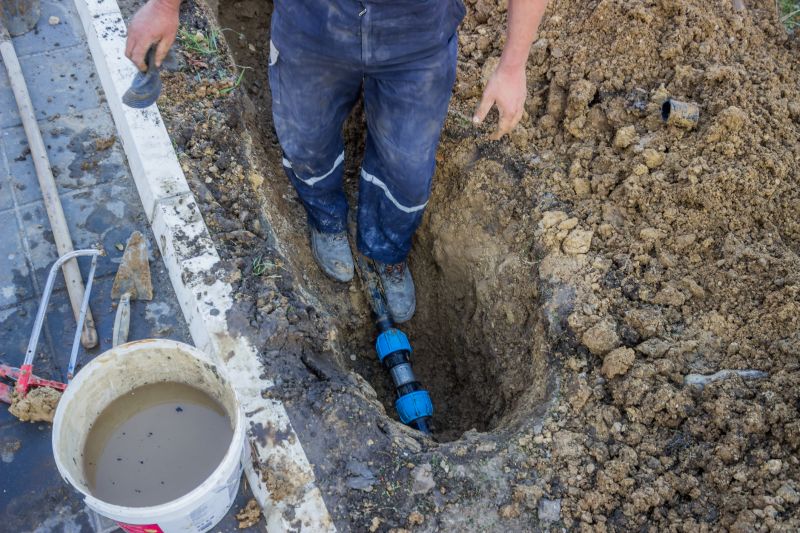
Proper drainage systems and regular inspections can minimize the risk of future seepage.
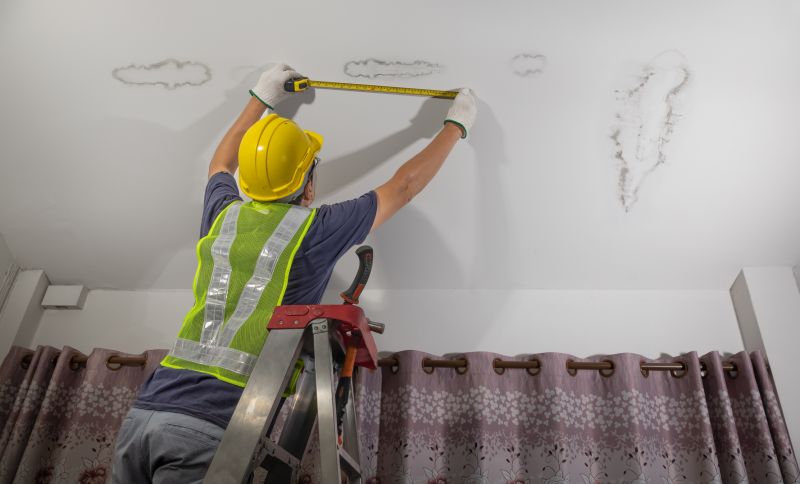
Little measurements that prevent headaches on Water Seepage Repairs day.
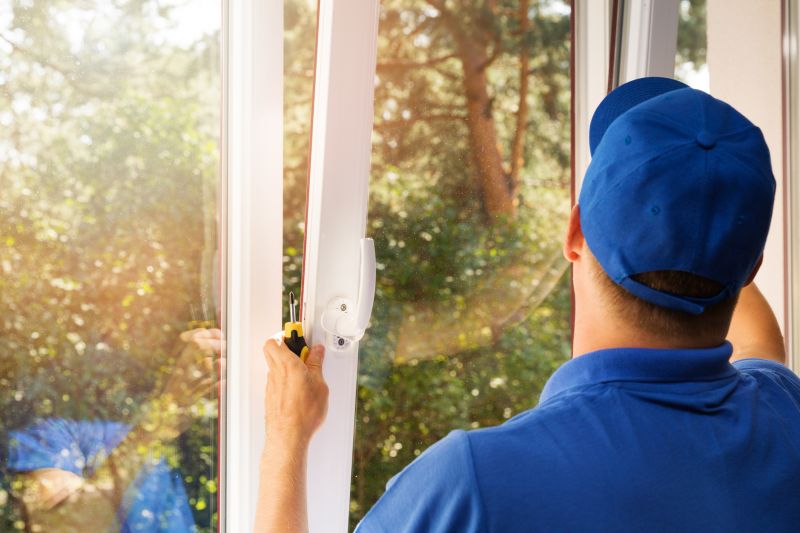
A 60-second routine that keeps Water Seepage Repairs looking new.
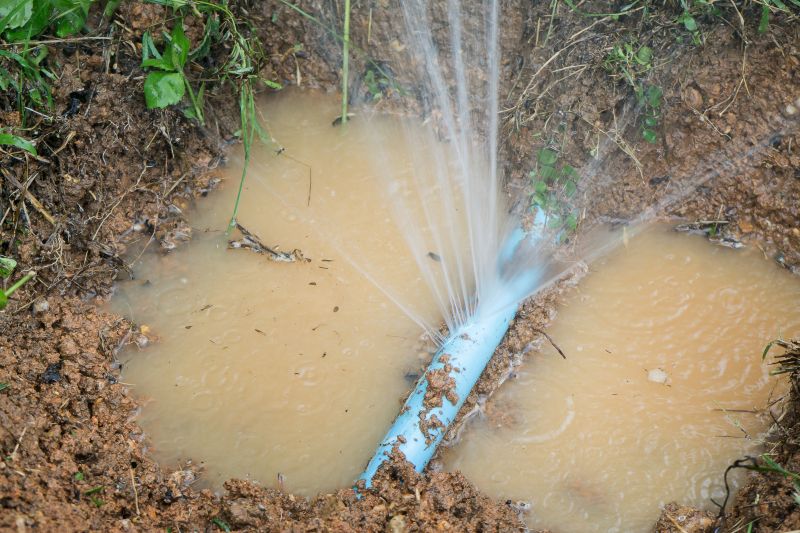
A frequent mistake in Water Seepage Repairs and how to dodge it.
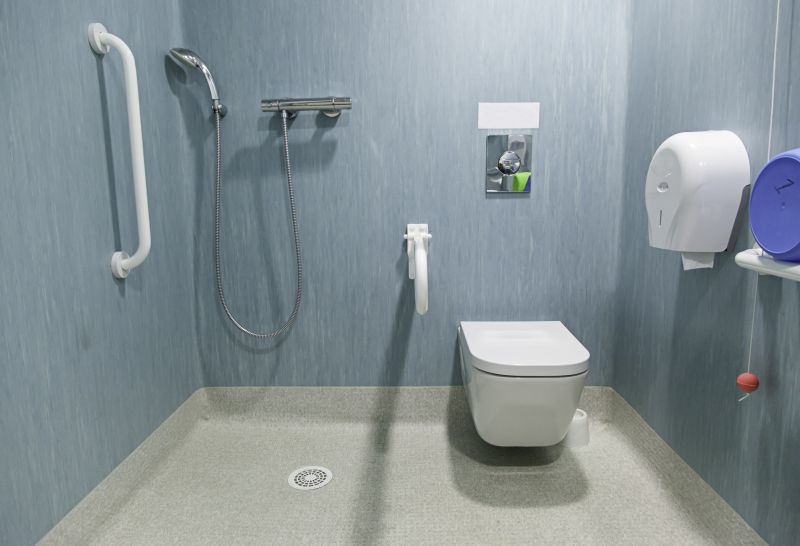
Small tweaks to make Water Seepage Repairs safer and easier to use.
| Season | Ideal Conditions |
|---|---|
| Spring | Moderate temperatures, low humidity, dry weather |
| Summer | Warm temperatures, higher humidity, potential rain |
| Autumn | Cooler weather, less rainfall, stable conditions |
| Winter | Cold temperatures, potential freeze-thaw cycles, less suitable |
Lower-waste or water-saving choices for Water Seepage Repairs.
The short, realistic tool list for quality Water Seepage Repairs.
Rough timing from prep to clean-up for Water Seepage Repairs.